The notebook

The notebook

Written most mornings, before the phone starts.

Short pieces about the woods, the writing, and whatever is in front of the Legislature this month.

November 2026, Shaftsbury Hollow

The bear in the back orchard

People in Vermont love to talk about their bear. I wrote about them in my first book and also in the second. This past week, I did a post with a single picture of a bear taken on a trail camera in our back orchard. It was taken less than 100 yards from the house. On a FB group called “I grew up in Vermont” it garnered almost 300 responses, and my bear got similar interest on several other group posts.

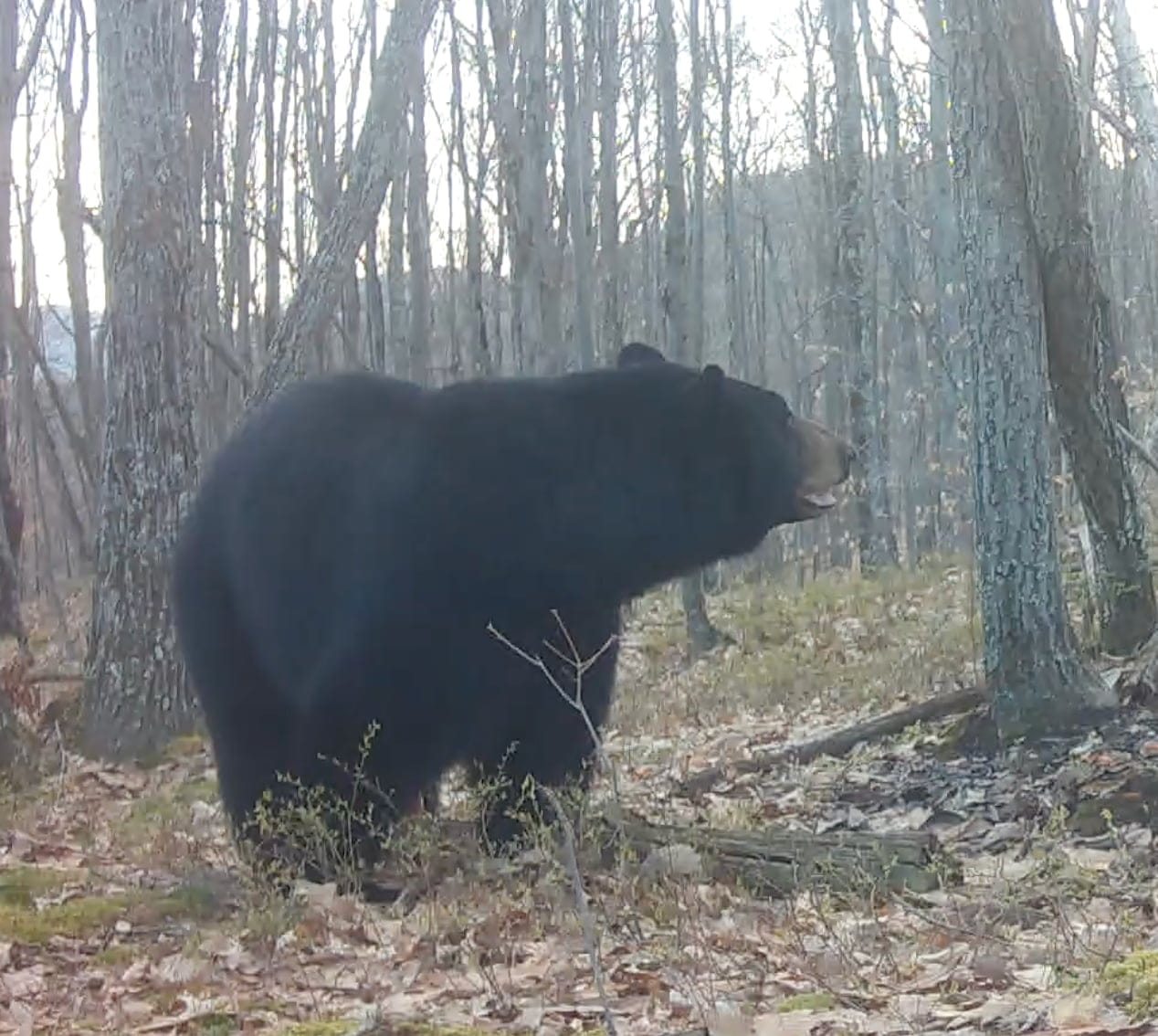
I’ve worked around bear my entire 52-year career as a forester here in Southern Vermont. I’ve seen the population grow from an occasional sighting to almost an everyday occurrence. Read my books for further information and stories about my interaction with them as a forester and as a Deputy Game Warden. You’ll learn my thoughts on why their population has exploded just in my lifetime.

One thing that bothers me and my posts reinforces that thought, is that in spite of the warnings the Vermont Fish and Game Department continually puts out, people still think it is OK to leave feed out where these animals can get at it. Let me emphasize the word animals. Let there be no doubt that animals are what you are dealing with. They are unpredictable. People still don’t see the problem of not securing their garbage. It will take extra effort. They are smart and resourceful. They will outsmart you! People still leave birdfeeders out. They attach human characteristics to the bear. They nearly make them pets.

One lady told me about “her bear” that have broken into her garage and continually raid her garbage. They are “cute,” she says. She is “training” problem bears in spite of her denying it. She sent a video of a good-sized bear outside her shed feeding on garbage. She is within a few feet of it talking to it. The “little buggers,” as she called them, walk right by a burning fire pit to get to the rubbish. She has created a problem. The problem is not “if” it will happen, but “when” it will happen.

I told her that I feared the consequences of her actions would end badly for her or one of her neighbors that corner or surprise those bears. At the very least her continued feeding will end badly for the bear. They have lost their fear of humans and will end up being shot by a warden for being a “problem bear.” Relocation doesn’t work. They come right back or just become someone else’s “problem bear.” Because of that lack of fear, they also become a much easier mark for hunters.

And yes, those pictures here I’ve taken are of a really big bear. He is crowding 400 pounds. No, he doesn’t have a name, and he isn’t going to get one. I’m hoping that big Roman-nosed beast will remain a wild bear. If a hunter takes him, so be it. He has had a pretty good run here in Shaftsbury Hollow.
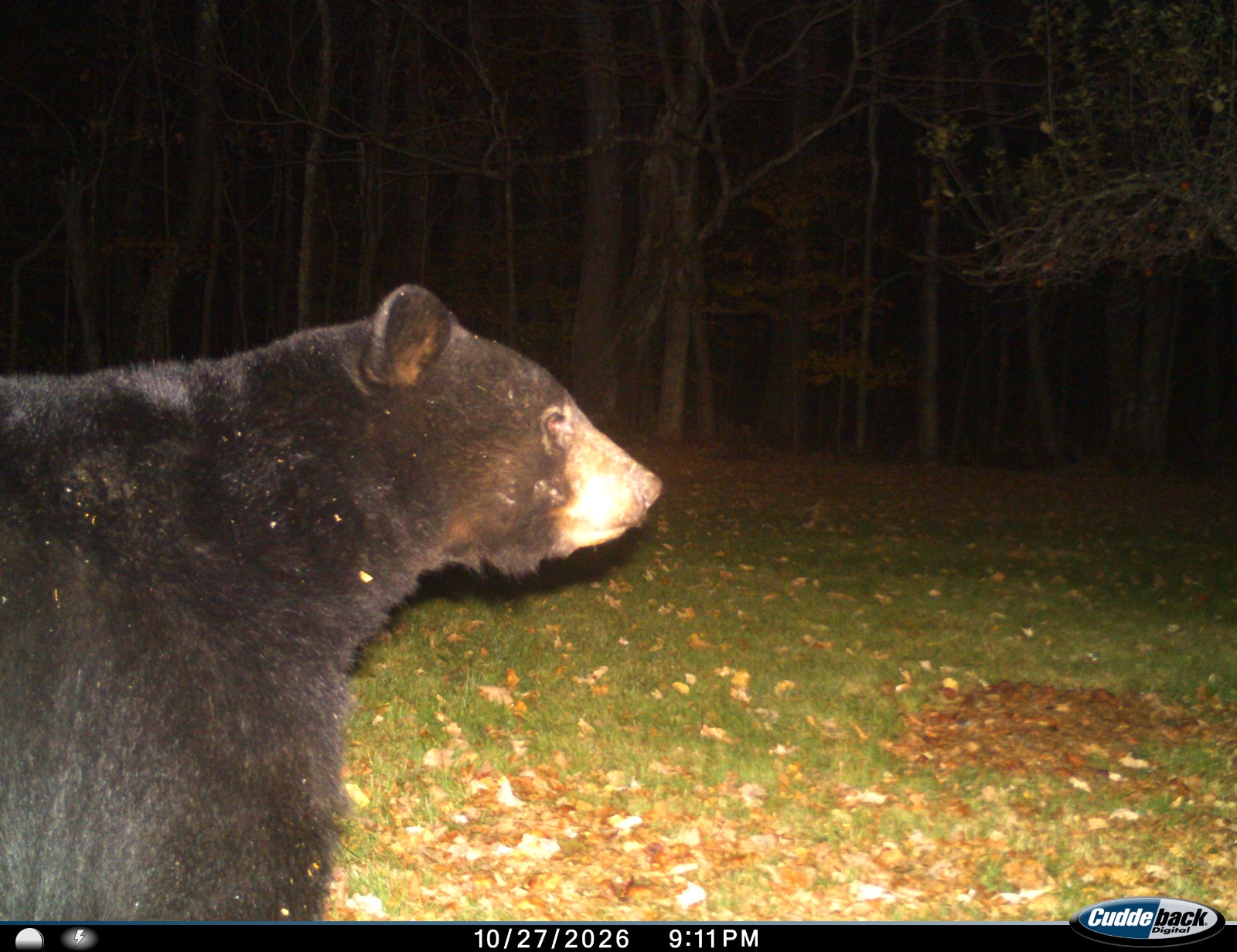
A big black bear in profile on a trail camera at night, standing on a lawn scattered with fall leaves, dated 10/27/2026 at 9:11 PM
A big black bear standing among bare fall trees with its mouth open

Saturday at the Statehouse

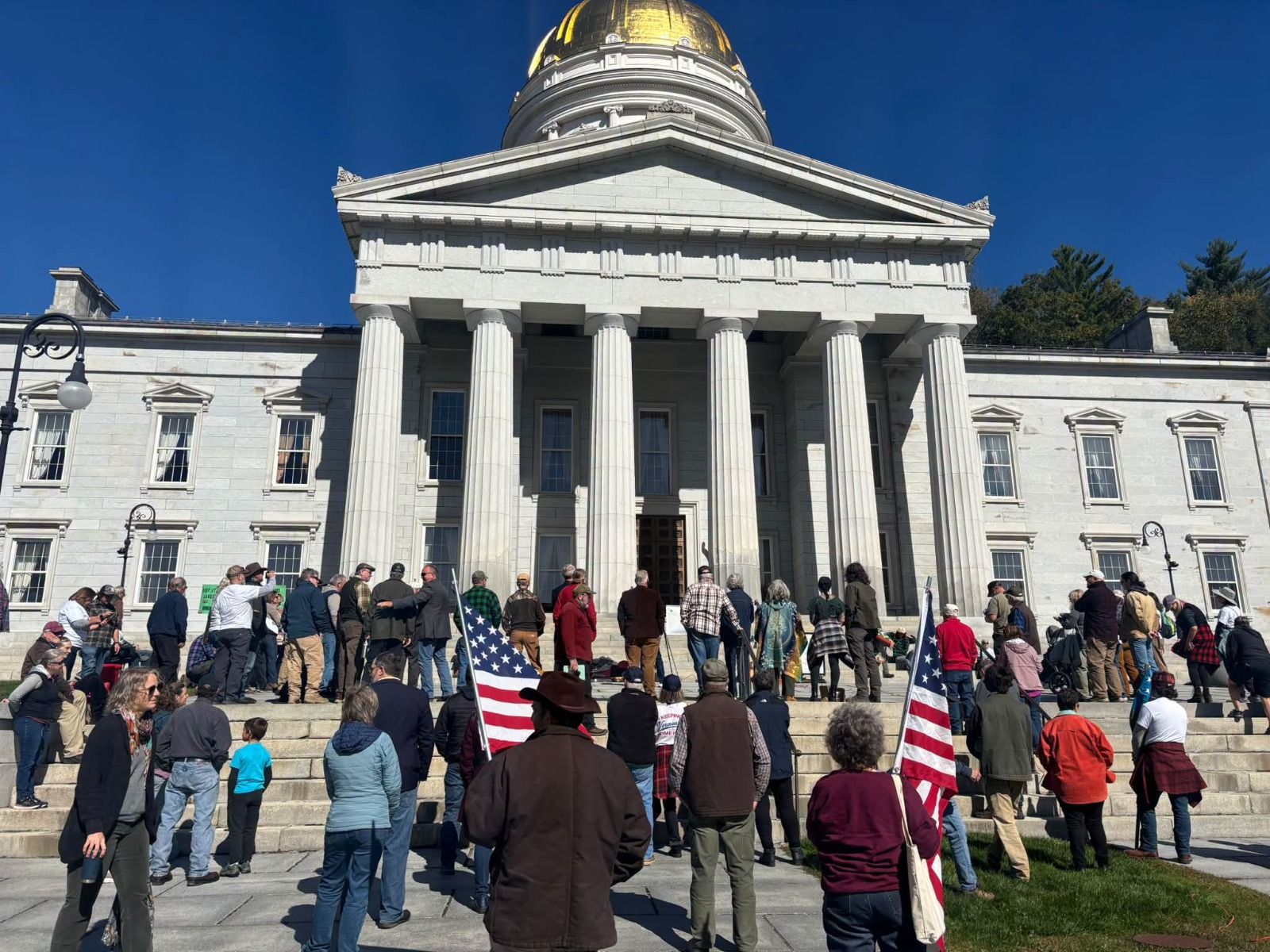
A couple of photos from our Saturday trip to Montpelier to attend a rally for a Facebook group I frequently write for. Rural Vermont Rising was started last March as a grassroots movement to protect the working lands of Vermont from land use legislation passed in 2024 over the veto of Governor Scott. The organization has grown from a few like minded individuals to over 18,000 members. This bipartisan organization works hard to protect the rights of rural Vermonters and to ensure they have a voice in Vermont’s future. I acknowledge the work of this organization in my second book, Vermont Stories for Baby Boomers.

It was fantastic to finally meet so many like minded individuals Saturday who care as deeply as Shari and I do for Vermont. Most we had never met face to face with. We shook hands, hugged and visited with the people we have been working with. I came away with a feeling of hope for Vermont’s future.

A crowd with American flags gathered on the steps of the Vermont Statehouse in Montpelier
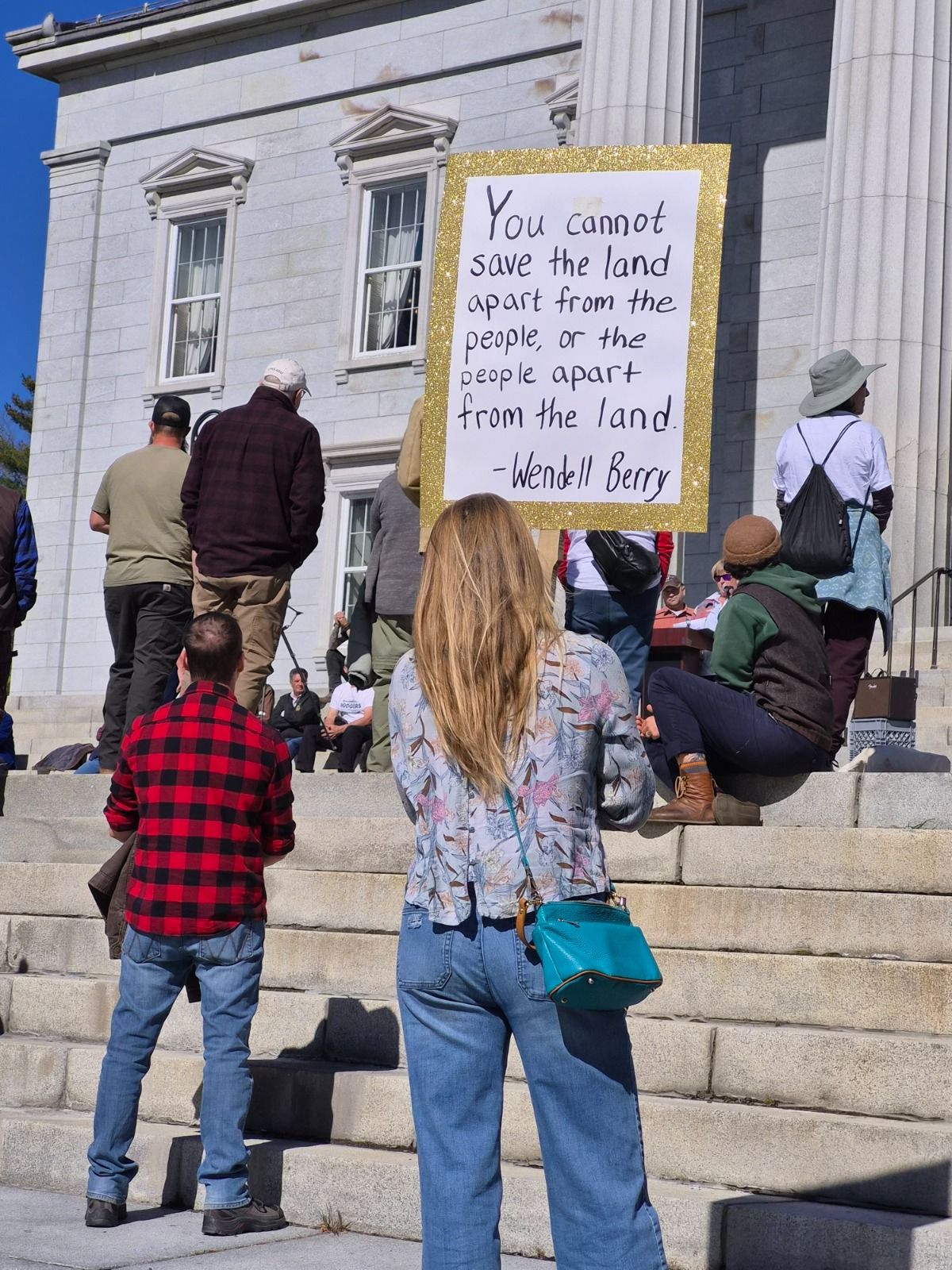
A rally sign quoting Wendell Berry: you cannot save the land apart from the people, or the people apart from the land
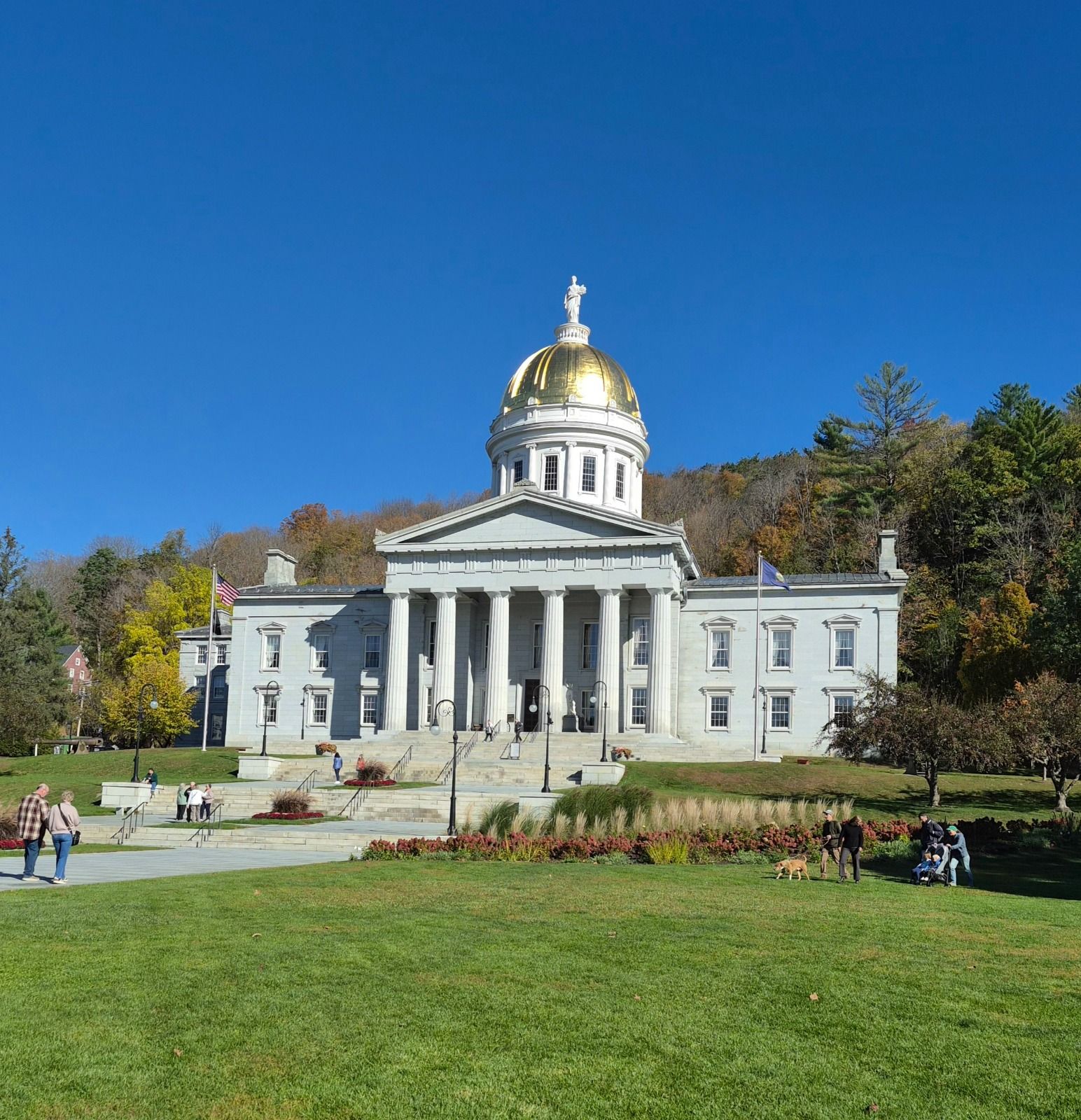
The gold dome of the Vermont Statehouse against a blue sky and fall foliage

Inspiration

Yesterday a song from my senior year of high school came on, and it took me straight back. Joni Mitchell wrote it in 1970, and it was one of the first environmental protest songs most of us ever heard: a warning about losing a place before you have noticed it going.

Little did I know then that I had just heard the reason I would get involved so many years later.

I cannot let Vermont be that paved paradise without putting up a fight. While I am fighting, I will share some of the memories about why it is my paradise in the first place. I think that is the start of the first chapter of this book.

Make it your song for the day.

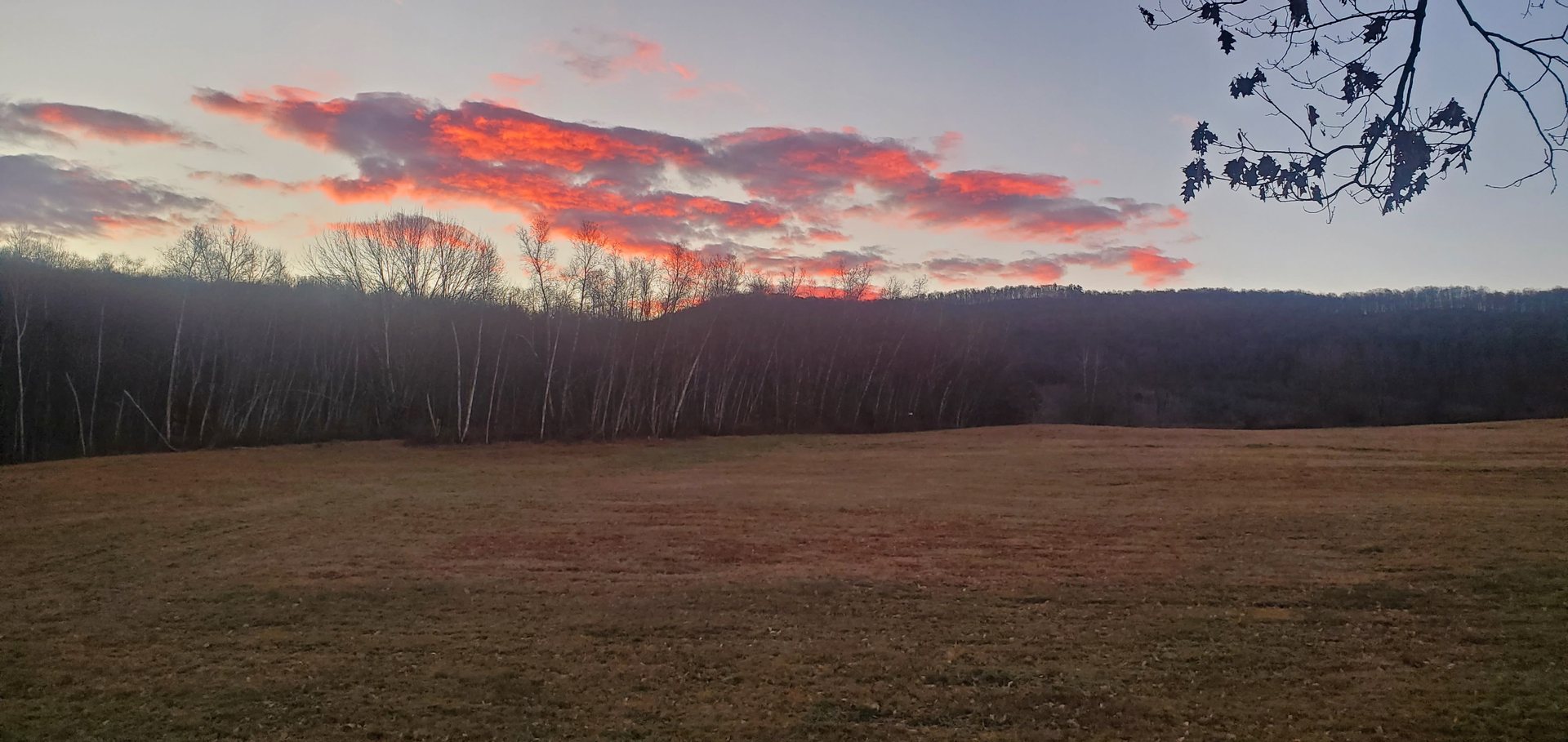
Sunrise over a Vermont field, seen from a treestand

Why I write in the morning

I had never written anything before 2024. Not a chapter, not an article, nothing longer than a timber sale contract. Then I testified in Montpelier, and enough people told me to get the story down on paper that I finally sat down and did it.

What surprised me is that I liked it. I have written nearly every morning since, at the kitchen table, before the phone starts and before anyone needs a load moved. My wife Shari is a teacher, so I have a built-in editor, which is either the best or the worst thing that can happen to a first-time writer depending on the morning.

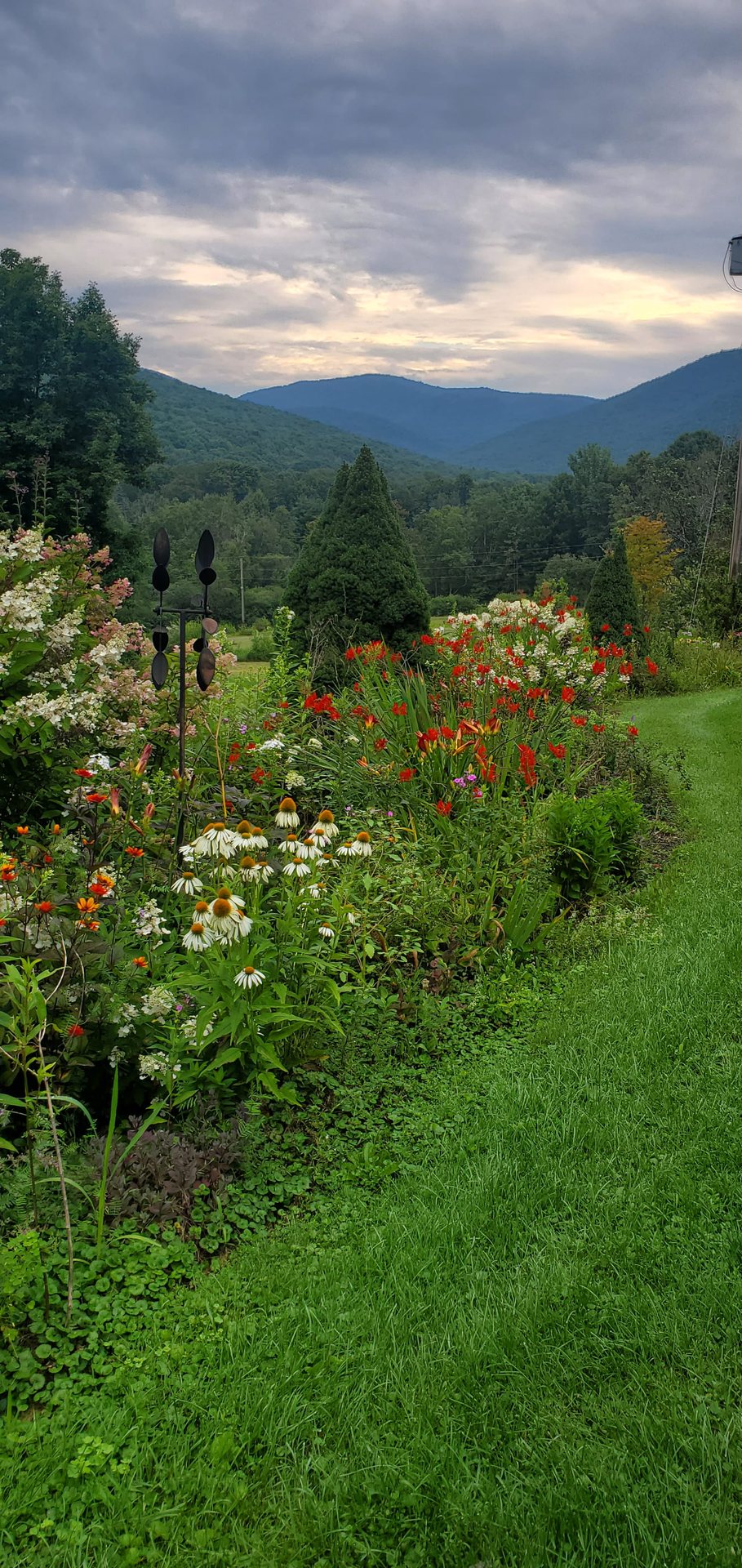
A quiet view of the property in the early morning light

A hobby: tree planting

The American chestnut used to be one of the great trees of the eastern woods, and the blight took nearly all of it a century ago. What went with it was a reliable autumn food crop that deer, turkey and bear could count on. Bringing a few back is where this hobby started.

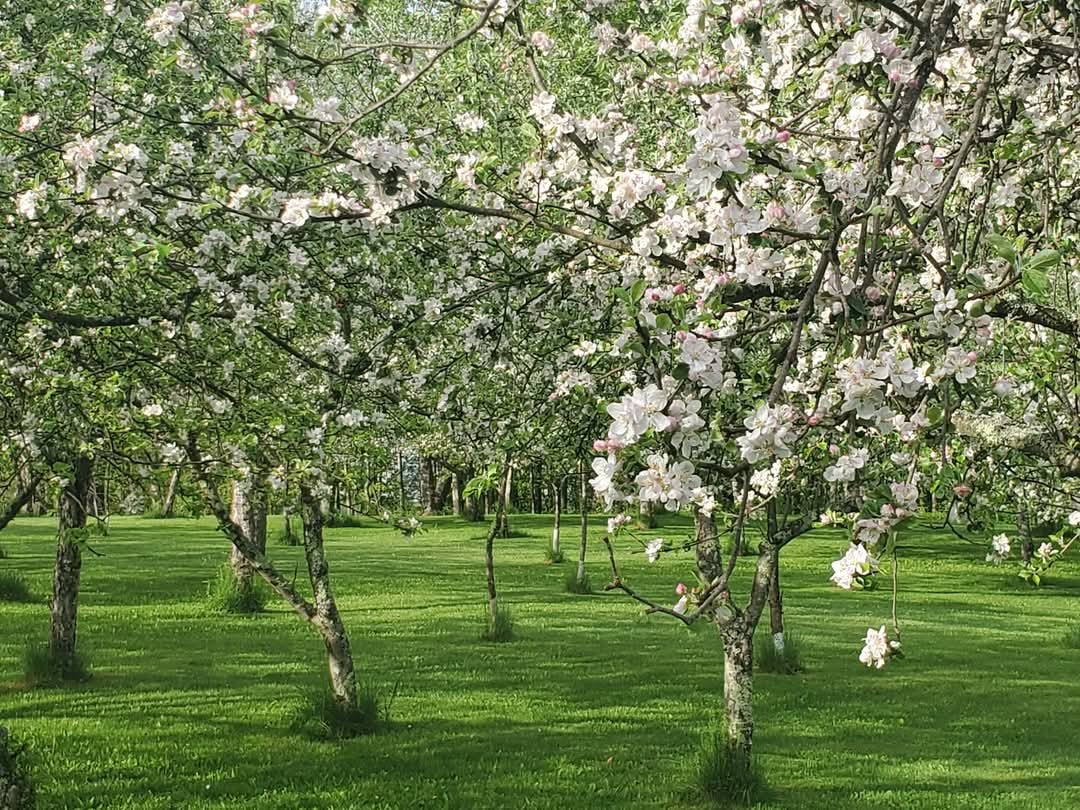
Chestnuts are only part of it now. There is an apple orchard, and a crabapple orchard, and a number of individual trees planted as experiments over the years. Shari keeps her own flower beds going alongside all of it.

Blooming apple trees in the orchard

What testifying is actually like

You get a few minutes. There is a table, a committee, a microphone that may or may not be on, and a room full of people who mostly have not spent a day in the kind of woods you are there to talk about.

The things that I bring to the table are my passion and my 50 years plus of knowledge. They are the only credentials I have. I've discovered how powerful they can be.

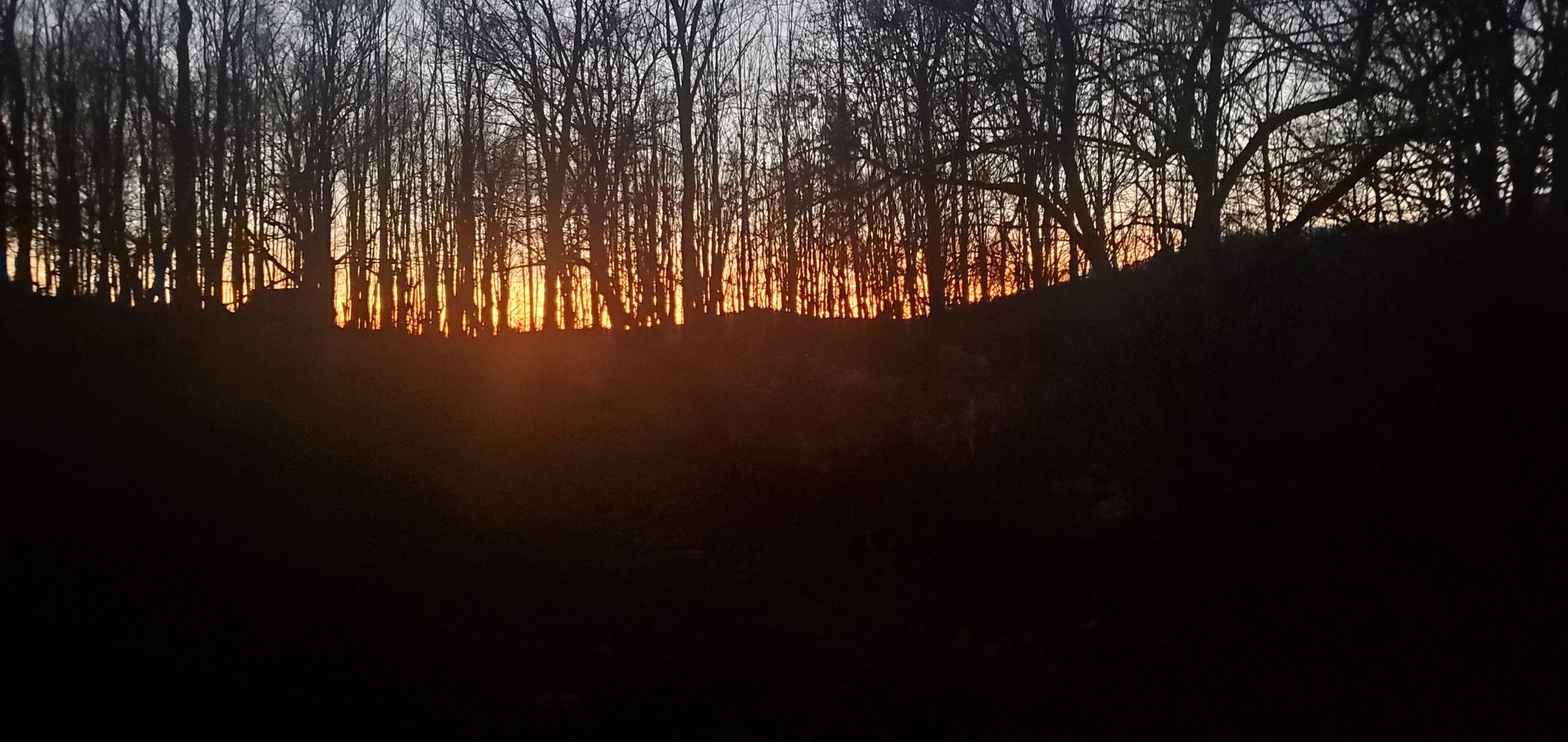
Silhouetted trees at dusk

The last load out of Cambridge

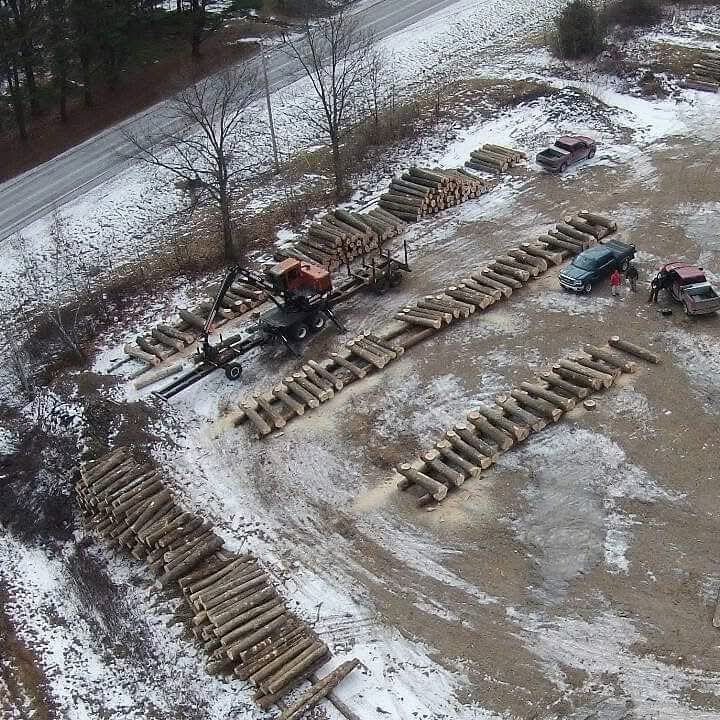
Hollow Hill Forestry started in 2003. Wes joined me in 2005, and between us we have sent logs from that yard to buyers on the other side of the world. This June the marketing side of it comes to an end.

Fifty years is a long run for any kind of work. I am not sorry about a day of it, and I am not finished being useful either. There is a second book to write and a legislature that keeps finding new ways to need an opinion from someone who has walked the ground.

An aerial view of the log yard, decks of logs sorted across the lot

New entries go up when the writing is done, not on a schedule.

Send Bill a note